Nutrition and Health
Honeyberries are Among the Most Nutrient-Dense Berries on Earth.
Why Honeyberries Are So Healthy
Honeyberries (Lonicera caerulea) are quickly gaining recognition as one of the most nutrient-dense berries in the world. Often compared to blueberries, they consistently outperform many other berries in key measures of antioxidant activity, making them a powerful addition to a daily diet focused on long-term health and vitality.
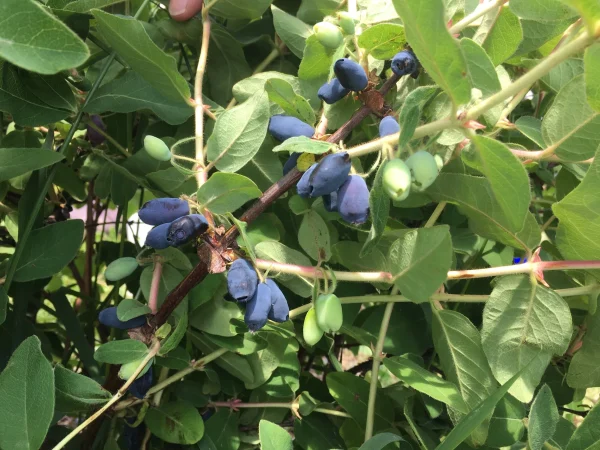
What makes haskaps so remarkable is their deep, inky blue-purple color—an outward sign of their rich concentration of polyphenols, particularly anthocyanins. These plant compounds are known for their ability to fight oxidative stress in the body, which is linked to aging, inflammation, and chronic disease. When you eat honeyberries, you are not just enjoying a sweet-tart fruit—you are fueling your body with protective, plant-based nutrition.
Anti-Inflammatory Support for the Whole Body
Chronic inflammation is linked to many modern health issues, including joint pain, fatigue, heart disease, and autoimmune conditions. Honeyberries contain natural plant compounds that help calm inflammatory responses in the body.
Regular consumption of honeyberries may support:
– Joint comfort
– Muscle recovery
– Overall immune balance
– Reduced inflammatory stress
They are not just a fruit—they are functional nutrition.

Rich in Anthocyanins
Honeyberries rank among the highest of all berries for total antioxidant capacity, placing them in a truly elite category of functional fruits. In scientific comparisons, they often surpass blueberries, blackberries, and raspberries in their ORAC (Oxygen Radical Absorbance Capacity) values, which measure the ability of foods to neutralize damaging free radicals. Free radicals are naturally produced in the body through normal metabolism, but they are also increased by stress, pollution, processed foods, and environmental toxins, and over time they can contribute to cellular damage, inflammation, and chronic disease.
The exceptionally high antioxidant content of honeyberries helps counteract this process by protecting cells from oxidative stress and supporting the body’s natural defense systems. Because of this, honeyberries are not just a source of vitamins and minerals—they act as a protective, whole-food tool that supports cellular health, brain function, heart health, immune system resilience, and healthy aging. Regular inclusion of antioxidant-rich foods like honeyberries in your diet can help your body maintain balance, adapt to environmental stressors, and promote long-term vitality from the inside out.
Vitamins, Minerals, and Whole-Fruit Nutrition
Honeyberries are important because they give your body real, natural nutrients that are easy to use and absorb. Instead of just one vitamin, the whole berry provides a mix of helpful compounds that work together to support your health. Eating honeyberries helps your body stay strong, balanced, and better protected, making them a smart, everyday fruit for overall wellness.

Potassium, calcium, iron, magnesium, zinc, copper, and manganese
Honeyberries provide a helpful blend of essential minerals — including potassium, calcium, iron, magnesium, zinc, copper, and manganese — that support everyday body function in gentle, natural ways. Together, this mineral mix means that when you eat honeyberries, you’re not just getting antioxidants like C3G — you’re also nourishing your body with a spectrum of nutrients that help keep your heart, muscles, bones, and immune system working well.
Vitamins A & C
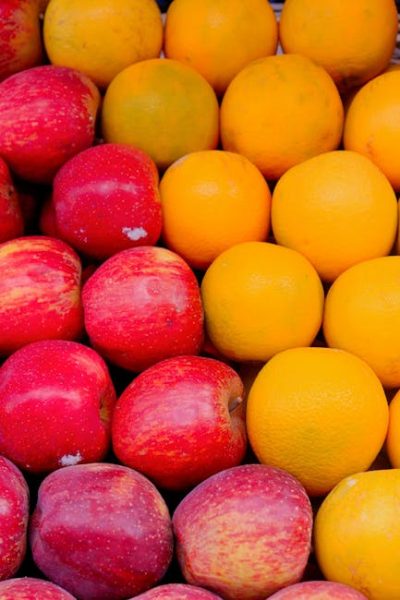
Vitamins A & C are important for vision and cellular function and in helping your body defend itself against everyday germs and environmental stressors, while also supporting collagen production that keeps skin looking healthy.
Honeyberries are exceptionally rich in vitamin C, often delivering levels that are higher than many common fruits such as blueberries and even oranges. This makes them a powerful whole-food source of this critical nutrient.
Honeyberries also contain bioavailable forms of vitamin A (often as provitamin A carotenoids), which your body converts into active retinol.
Plant polyphenols – Cell Protection
Plant polyphenols act as natural protectors within your body, helping your cells respond to stress from pollution, sunlight, and daily wear and tear, while also supporting long-term cellular health and resilience.
Plant polyphenols = the big family.
Polyphenols are a large group of natural plant compounds that help protect plants — and when we eat them, they help protect our cells too.
Anthocyanins = a subgroup of polyphenols.
These are the compounds that give berries (including honeyberries) their deep red, purple, and blue colors.
C3G = one specific type of anthocyanin.
Cyanidin-3-glucoside (C3G) is one of the most studied anthocyanins — and therefore one specific member of the polyphenol family. C3G is one of the key plant polyphenols found in honeyberries — part of a larger family of powerful antioxidant compounds that work together to support cellular, brain, and heart health.
Exceptionally High in Antioxidants
Honeyberries consistently rank among the highest of all berries for total antioxidant capacity. Their deep indigo color comes from anthocyanins—protective compounds that help neutralize harmful free radicals in the body. These free radicals are produced daily through normal metabolism, stress, and environmental exposures, and over time they can damage cells if left unchecked. The unique blend of antioxidants in honeyberries helps create a protective buffer, supporting the body’s natural defense systems.
Unlike many fruits bred mainly for sweetness, honeyberries retain a high concentration of these beneficial compounds, making them especially valuable from a nutritional standpoint. This powerful antioxidant profile is one of the key reasons honeyberries are often considered a true functional food rather than just a tasty fruit. Regular inclusion of honeyberries in your diet can contribute to long-term cellular health and overall well-being.
Reduce Oxidative Stress
Honeyberries’ exceptionally high antioxidant and anthocyanin content creates a powerful protective shield for your cells, supporting long-term health and resilience against everyday stress and aging.
Better Cellular Health
The rich antioxidants in honeyberries support better cellular health while helping slow the pace of cellular aging by protecting your cells from daily oxidative stress.
Lower risk of chronic disease over time
By reducing oxidative stress and inflammation, honeyberries may help support your body in lowering the long-term risk of chronic disease.
A Berry That Fits a Healthy Lifestyle
Honeyberries are naturally low in sugar, making them a smart choice for people who want to enjoy fruit without excessive sweetness. They can be eaten fresh, frozen, dried, or as powder—making them easy to incorporate into smoothies, yogurt, oatmeal, baked goods, or wellness drinks.
Whether your focus is heart health, brain health, gut health, or overall vitality, haskap honeyberries offer a simple, delicious way to nourish your body with real, powerful plant nutrition.

Supports Gut Health and Digestion
Honeyberries contribute to digestive and gut health primarily through their dietary fiber and beneficial plant compounds, which work together to support a balanced and thriving microbiome. Fiber acts as fuel for beneficial gut bacteria, helping them grow and maintain a healthy environment in the digestive tract, which in turn supports regular digestion and nutrient absorption.
By slowing the release of sugars into the bloodstream, the fiber in honeyberries can also help stabilize blood sugar levels, making them a gentler fruit option for sustained energy. Beyond digestion, a well-functioning gut plays a key role in immune response, mood regulation, and overall well-being, meaning that regularly including fiber-rich foods like honeyberries in your diet can support not just your stomach, but your whole body’s health.
Learn How to Enjoy Honeyberries for Maximum Benefit
Honeyberries can be enjoyed in many ways, including:
– Fresh or frozen as a snack
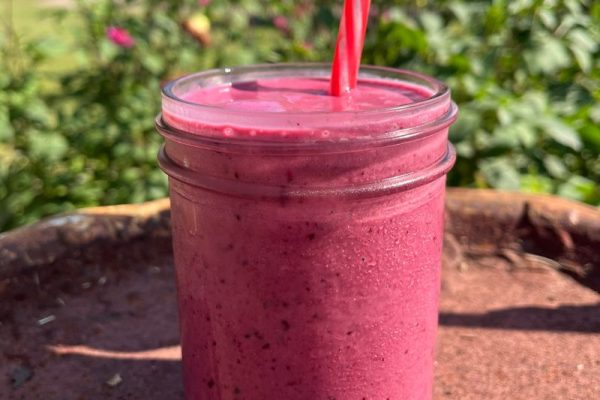
– Blended into smoothies
– Sprinkled on yogurt or oatmeal
– Baked into muffins, pies, or breads
– As freeze-dried powder in drinks and recipes
Don’t wait any longer. Check out all the ways to enjoy honeyberries.