The Honeyberry
Learn All There is to Know About Honeyberries
What are Honeyberries?
If blueberries and raspberries had a wild cousin—it would be the honeyberry!
Sweeter than blueberries, hardier than winter, and bursting with health benefits.
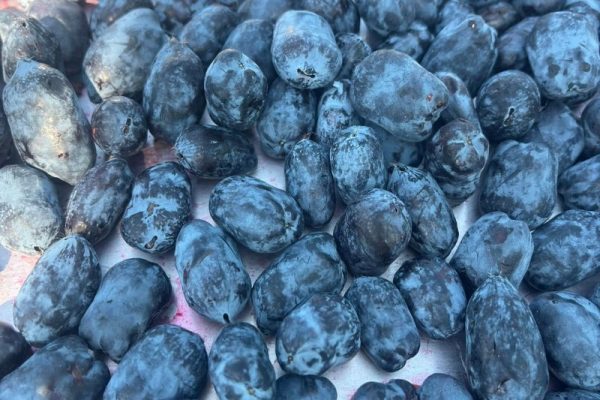
Honeyberries—also known as haskap or blue honeysuckle—are a hardy, nutrient-rich superfruit! Celebrated in Japan for centuries and refined by modern breeding programs in Canada and the U.S., these indigo berries are prized not only for their unique flavor and resilience but also for their impressive health profile. Packed with antioxidants, vitamin C, and fiber, honeyberries support immune function, heart health, and overall wellness. Compact shrubs yield elongated, powder-blue fruit with a sweet-tart “zing,” ripening as early as June and thriving where blueberries often struggle.
Where Do They Come From?
A hidden gem of the north.
Centuries Old New Fruit
Honeyberries are a circumpolar treasure, naturally found in the boreal regions of Asia, Europe, and North America. For centuries, families in northern Japan and Russia harvested these berries from the edges of forests and meadows, treasuring their resilience in harsh winters and their early spring harvest. Indigenous peoples in North America also gathered them, appreciating their vibrant flavor and nutritional strength.
In the late 20th century, plant breeders in Japan, Russia, and Canada began refining wild varieties into cultivated forms that could be shared more widely. Today, honeyberries are emerging as a new crop across the northern United States, where growers are embracing them for their hardiness, unique flavor, and market potential. What was once a hidden gem of the north is now becoming one of the most talked-about “new fruits” in modern agriculture.

Establishing an Orchard
Honeyberries are an appealing fruit for both experienced growers and first-time gardeners because they are naturally well-suited to success in northern climates. They ripen earlier than strawberries in many regions, giving you one of the first fresh fruits of the season. The plants tolerate a wide range of soil conditions, which means you don’t need perfect garden soil to get started. Maintenance is also approachable — honeyberries require relatively simple pruning compared to many other fruit crops.
A Productive Perennial Plant
Honeyberries are impressively productive once established, making them a rewarding long-term addition to the home garden or small farm. Most plants begin bearing light fruit within 2–3 years of planting, with yields increasing steadily as the shrubs mature. A well-cared-for, mature honeyberry bush can commonly produce anywhere from 5 to 10 pounds of fruit per season depending on the cultivar, growing conditions, and plant age. Because honeyberries are perennial shrubs that can remain productive for decades with proper care, a small planting can supply a surprisingly abundant early-summer harvest year after year. For gardeners and growers alike, this combination of early bearing, reliable yields, and long plant lifespan makes honeyberries one of the more efficient fruit crops to establish.
Large or Small Scale Capabilities
Honeyberries are uniquely suited to growers at nearly any scale, from backyard gardeners to expanding commercial farms. Their compact shrub form fits easily into small garden spaces, raised beds, or homestead orchards, while their cold hardiness and early harvest window make them equally attractive for larger plantings in northern regions. Because the plants are relatively low-maintenance once established and can be harvested by hand or adapted to mechanical systems as acreage grows, honeyberries offer flexibility as your goals evolve. Whether you are planting a few bushes for family use or exploring a larger market opportunity, honeyberries provide a scalable crop that can grow right along with your vision.
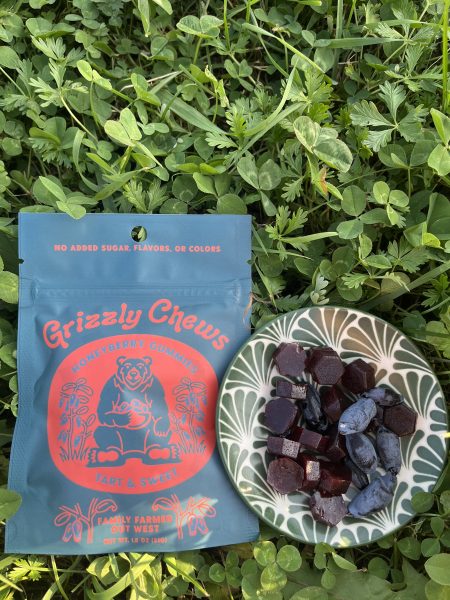
Endless Possibilities with Honeyberries
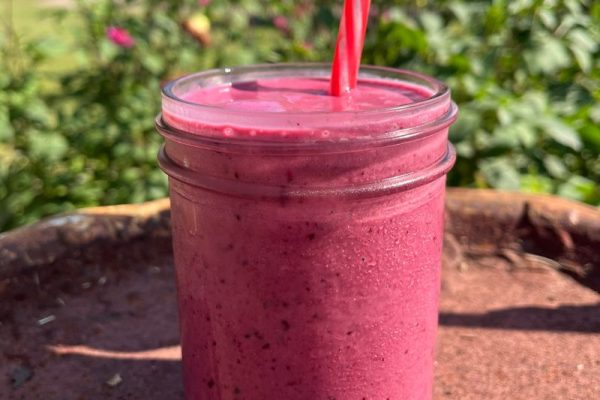
Honeyberries open the door to a wide range of uses that go far beyond simply eating them fresh. Their rich, sweet-tart flavor and deep natural color make them incredibly versatile in the kitchen, whether blended into smoothies, folded into baked goods, simmered into sauces, or preserved as jams and juices. Because they freeze and process so well, honeyberries also lend themselves beautifully to year-round use in powders, syrups, and functional foods. For gardeners, home cooks, and small food entrepreneurs alike, this adaptability means one planting can support countless creations. From everyday family recipes to value-added products, honeyberries offer nearly endless possibilities for those ready to explore this emerging northern fruit.
The 30-Year Shrub
Honeyberries are often described as a “30-year shrub” because of their remarkable longevity and long-term productivity. Once established, a well-cared-for honeyberry planting can continue producing reliable crops for two to three decades — and sometimes longer — with proper site selection and basic annual care. Unlike short-lived garden crops that must be replanted every season, honeyberries reward growers with a one-time planting that keeps giving year after year. Their hardy wood structure, cold tolerance, and relatively simple maintenance needs make them especially well-suited for northern climates where durability matters.
Current honeyberries thrive in cool temperate regions and perform best with full sun exposure and well-drained soils, though they tolerate a wider pH range than blueberries. Because they leaf out early, they benefit from sites with good air circulation to reduce spring frost pockets, even though their flowers are among the most frost-hardy of fruit crops.
Fertility requirements are moderate: studies from the University of Saskatchewan indicate that balanced nitrogen applications improve early growth and berry size, while excessive nitrogen can reduce fruit quality. Mulching with organic matter helps conserve soil moisture and suppress weeds, which is particularly useful in young plantings where shallow root systems compete poorly.
Honeyberries are also relatively pest- and disease-resistant, with most management focused on weed control and bird protection rather than chemical sprays.
To help honeyberries reach their full multi-decade potential, proper establishment and management are key. University extension guidance typically recommends spacing shrubs about 3–4.5 feet apart within the row and 10–13 feet between rows to support airflow, plant health, and long-term growth. As plantings mature, growers should plan for bird protection—especially from cedar waxwings—which are often the most significant harvest challenge. Netting is commonly essential once fruit begins to color.
For home gardeners, this means planting honeyberries is an investment in the future — not just a single season’s harvest. For farms and small commercial growers, the extended lifespan helps spread establishment costs over many productive years. With thoughtful pruning, good weed control, and proper pollination partners, honeyberry shrubs can remain vigorous, manageable, and fruitful for decades, truly earning their reputation as one of the more dependable long-lived berry crops available today.
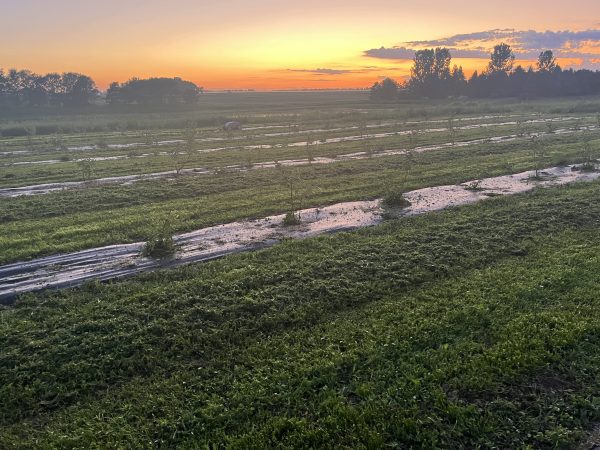
An Established 1-Year-Old Honeyberry Orchard
Establishing a honeyberry orchard is a special way to add beauty to your land.
Easy to Grow Honeyberries
Besides being easy to establish, these hardy shrubs shrug off bitter winters and bloom early in spring. They prefer cool climates and acidic, well-drained soil. For backyard growers, honeyberries are simple: plant two varieties for cross-pollination, give them space to breathe (3–4 feet apart), and watch them flourish. By the third year, shrubs begin producing impressive harvests, with mature bushes yielding several pounds each.
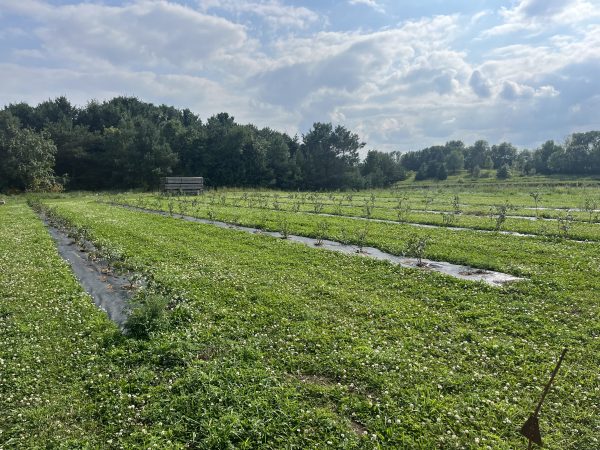
How We Grow Honeyberries
Cold hardy and easier than blueberries! Anyone can grow these.
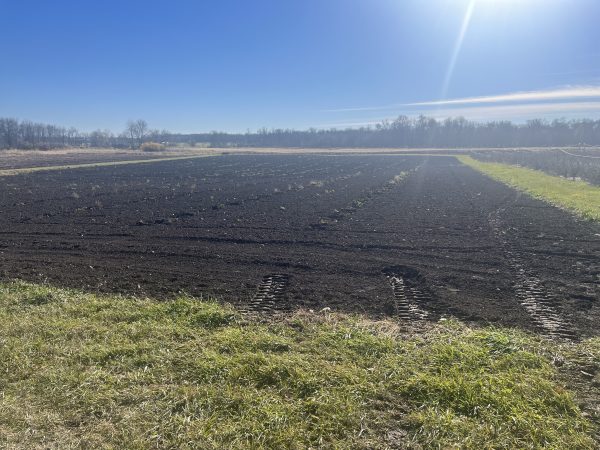
Preparing the Land
Honeyberries are easy to grow but there is work involved to get them in the ground. Clear the land of rocks and weeds. This can be accomplished with a tiller and rock pickers. Be sure to till in natural fertilizer compost. For honeyberries, the ideal soil pH is slightly acidic to neutral, with the sweet spot generally between pH 5.5 and 7.0. Within this range, plants can efficiently take up key nutrients and typically show their best growth and fruit production.
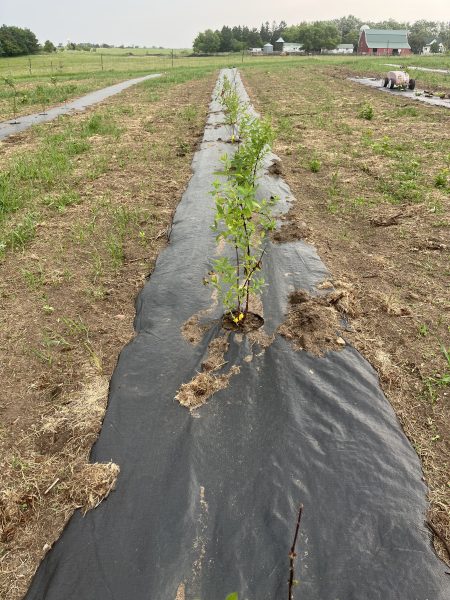
Planting the Honeyberry
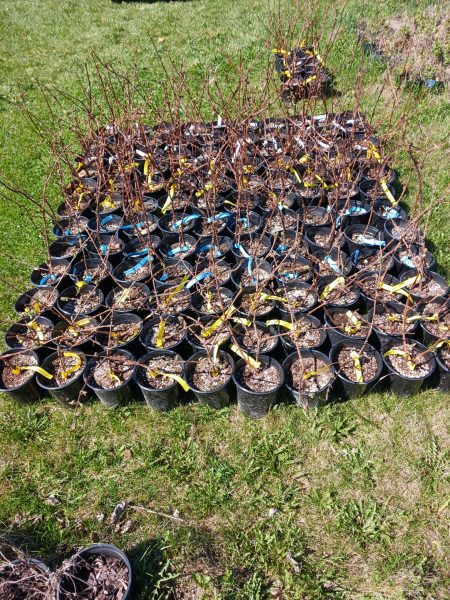
Landscaping fabric is a good choice because it keeps weeds down. Burning holes with a blow torch in your landscape fabric every 4.5 feet provides a quick, efficient way to position each plant and get your rows established neatly and consistently. One-year-old honeyberry plants is a smart option when establishing a new orchard, as they are typically more robust than small plugs and help move you closer to that first fresh harvest.
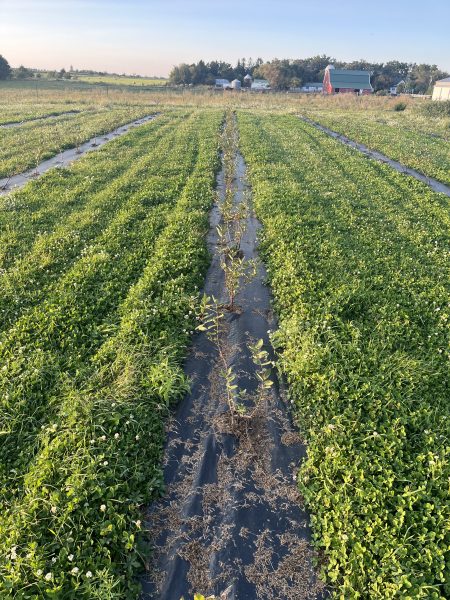
Bees Love White Clover
Planting clover between honeyberry rows is a simple, effective way to support long-term orchard health. As a living ground cover, clover helps prevent soil erosion, reduces mud, and creates a stable surface for walking and harvesting. It naturally fixes nitrogen through beneficial soil bacteria, gradually improving soil fertility without heavy fertilizer use, and it suppresses weeds by filling open soil space while helping retain soil moisture. Low-growing white clover is often preferred because it tolerates foot traffic and stays manageable. Just as importantly, clover flowers are highly attractive to bees and other pollinators, bringing beneficial insect activity into the orchard and helping support a more vibrant, productive growing system.
A Triumphant First Year Harvest
While first-year yields are naturally modest as the plants focus on establishing strong roots, seeing and tasting that first harvest is incredibly rewarding. It is proof that the plants are settling in well and that the journey toward larger future harvests is officially underway. For new growers, even a small first-year picking is a meaningful sign that your honeyberry planting is on the right track.
3 Important Things About Honeyberry Pollination
1. Honeyberries Require Cross-Pollination
Most honeyberry cultivars exhibit gametophytic self-incompatibility, meaning pollen from the same genetic cultivar typically cannot successfully fertilize the flowers. As a result, single-variety plantings often show abundant bloom but poor fruit set. University breeding programs, including work from the University of Saskatchewan, consistently report significantly higher yields when genetically distinct, compatible cultivars with overlapping bloom periods are planted together. For reliable production, growers should establish at least two different varieties within close proximity (commonly within 6–10 feet) and ensure their flowering windows overlap to allow effective bee-mediated pollen transfer.
2. Bloom Timing Must Overlap
Successful pollination depends on overlapping bloom windows. Honeyberries are commonly grouped into early, mid, and late bloom types, and varieties outside the same bloom window may not effectively pollinate each other. When selecting plants, growers should verify that the chosen cultivars have documented bloom overlap rather than relying on berry size or flavor descriptions alone.
3. Pollinators Still Matter
Even with compatible varieties planted, honeyberries depend heavily on insect activity—especially bees—for effective pollen transfer. Their very early spring bloom means cool weather can sometimes limit bee movement, so attracting pollinators (for example, with clover between rows or nearby flowering plants) can significantly improve fruit set and overall yields.
Nutritional Benefits of Honeyberries
Honeyberries pack intense nutrition, vibrant antioxidants, and cold-hardy strength into one delicious little berry.
Natures Powerhouse
Honeyberries aren’t just another berry—they’re a powerhouse. Packed with antioxidants, they rank among the top fruits for combating free radicals, often surpassing blueberries. They’re naturally rich in Vitamin C, fiber, and polyphenols, making them a smart choice for supporting heart health and immune strength. And because they ripen in late spring—before strawberries—they bring the first taste of summer when you need it most.

Understanding Ripeness
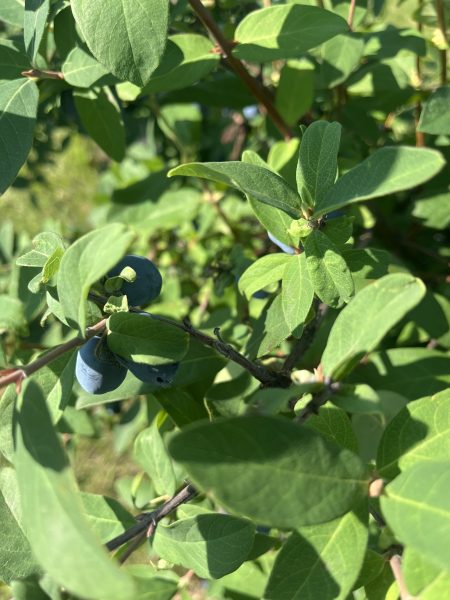
Honeyberries can be visually misleading when it comes to ripeness, which is one of the most common challenges for new growers. The berries often turn deep blue on the outside 5–10 days before they are fully ripe internally. During this early blue stage, the flesh inside the berry is typically green and the flavor can taste grassy, tart, or underdeveloped. True ripeness occurs only after the interior flesh turns fully purple and the sugars have had time to accumulate.
From a physiological standpoint, honeyberries continue to build soluble sugars after external color change. Field measurements commonly place mature fruit in the range of ~11–15 °Brix, depending on cultivar and growing conditions. As the berry ripens, acidity softens, aromatic compounds develop, and the texture becomes more tender. This is why taste testing and internal color checks are considered more reliable indicators than skin color alone.
For harvest timing, growers should sample multiple berries across the planting. Fully ripe honeyberries will have uniformly dark flesh, a balanced sweet-tart flavor, and will detach from the plant with a gentle pull or light shake (depending on cultivar). Waiting those extra few days after the berries first turn blue can significantly improve flavor quality and overall eating experience. Proper ripeness not only enhances fresh eating but also improves the color, sweetness, and performance of frozen and processed products.
How to Protect Your Honeyberry Orchard -Netting
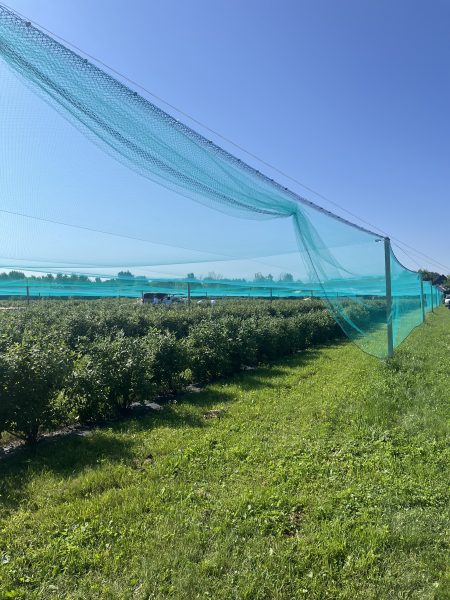
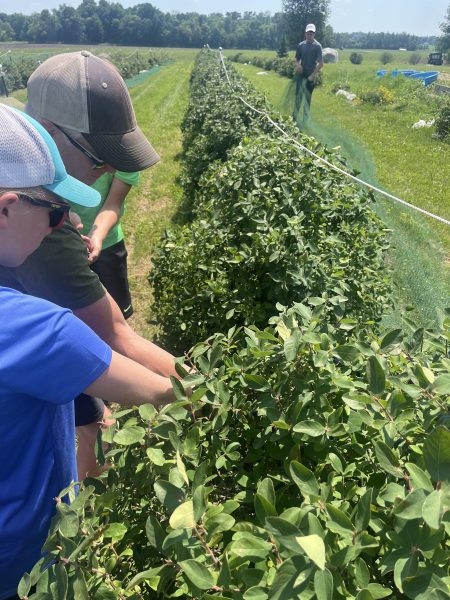
Netting is not optional, it is a must have for your honeyberry plants by age 2 or 3.
Step 1: Install Netting Early
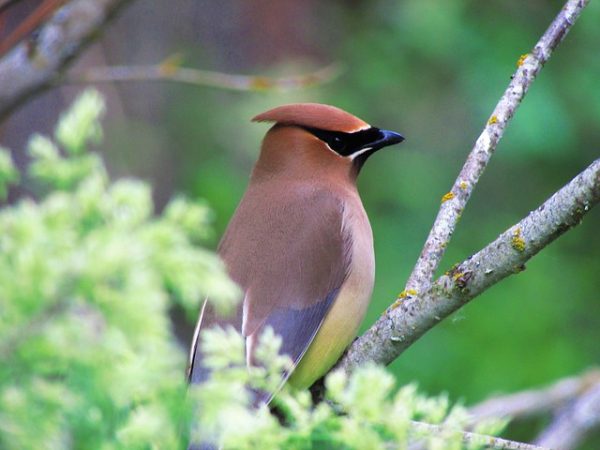
The most important move is timing. Cedar waxwings are relentless and often begin feeding as soon as berries turn blue, even before they are fully ripe. Waxwings will clean out an orchard as fast as you can say “honeyberry” once they discover them. Install bird netting early, June 1, in the midwest, before color change, not after damage starts. Early protection prevents birds from learning your bushes are a food source.
Step 2: Use Proper Bird Netting and Secure It Well
Choose fine-mesh bird netting to prevent birds from reaching through or becoming entangled. Drape the netting over hoops, stakes, or a simple frame so it does not rest directly on the fruiting branches. Be sure to seal the bottom edges with sandbags, rocks, boards, or landscape pins — cedar waxwings will quickly find gaps and slip underneath if given the chance.
Step 3: Maintain and Monitor Through Harvest
Once the netting is in place, it is important to monitor it regularly throughout the ripening window to ensure your protection remains effective. Check for gaps along the ground, areas where the netting has sagged, small tears or openings, and spots where branches are pushing tightly against the mesh. Keeping the netting properly sealed until the majority of fruit is harvested is key to protecting your honeyberries during peak bird pressure in early summer.
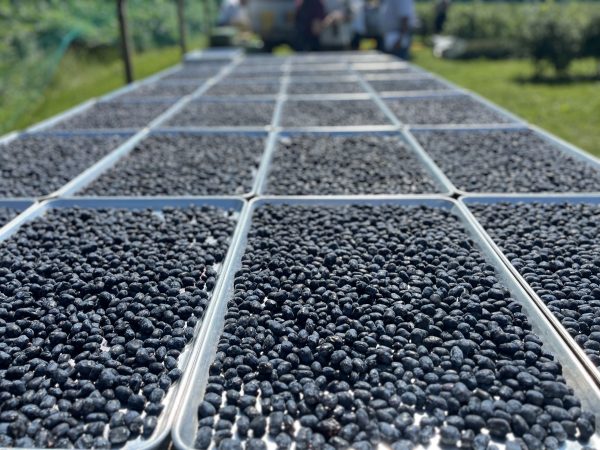
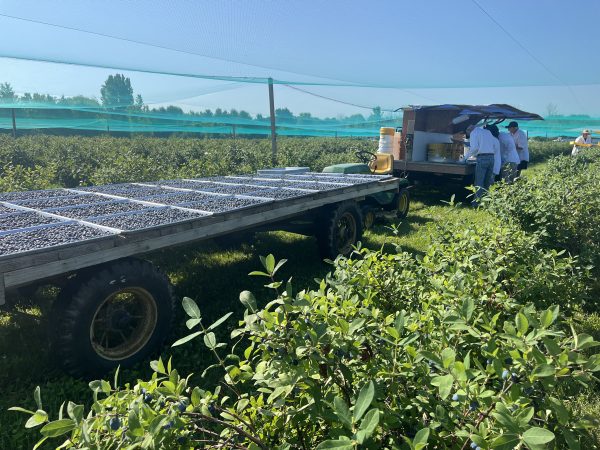
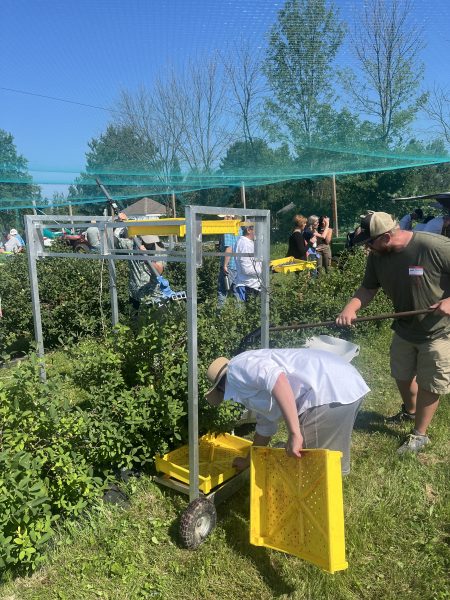
A Bountiful Honeyberry Harvest
There is nothing quite like the reward of a full honeyberry harvest. These vibrant, deep-indigo berries represent months of careful growing and the incredible productivity this hardy shrub can deliver. Even young plantings can surprise growers with generous early pickings, and as the plants mature, harvest volumes only improve. A strong yield like this is a clear sign of healthy plants, good pollination, and proper harvest timing — all coming together in one beautiful bowl.
Visit the Honeyberry Kitchen
Check out the simple ways to use honeyberries in your everyday diet.
Easy Ways to Enjoy them
Honeyberries are as versatile as they are delicious. Eat them fresh by the handful, toss them into smoothies, or bake them into muffins and pies. They make jewel-toned jams, tangy sauces for meats, and deeply flavored ice creams and sorbets. Some adventurous brewers even use them for craft beer and wine.