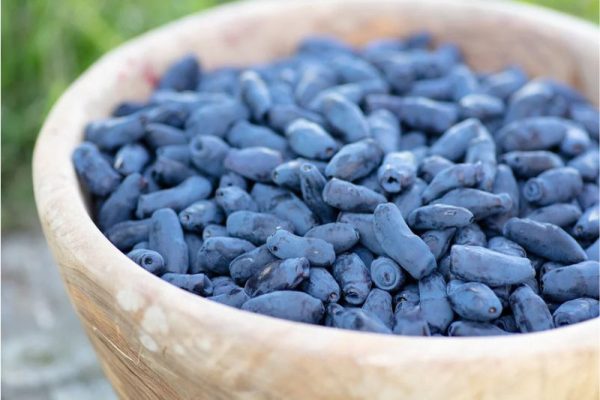
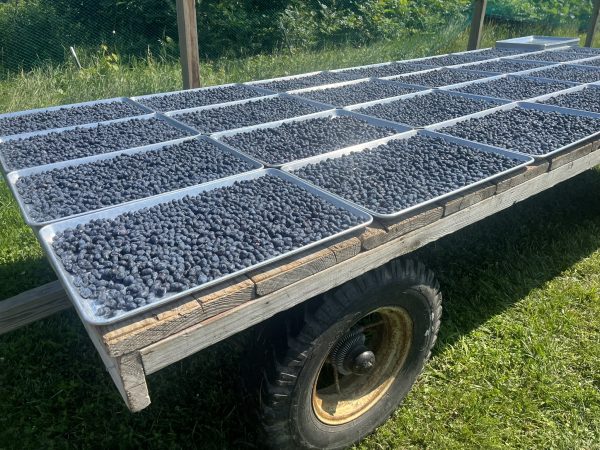
Discover the World of Honeyberries
Step into a world of flavor, nutrition, and northern heritage—where every berry tells a story.
Why You’ll Love Honeyberries
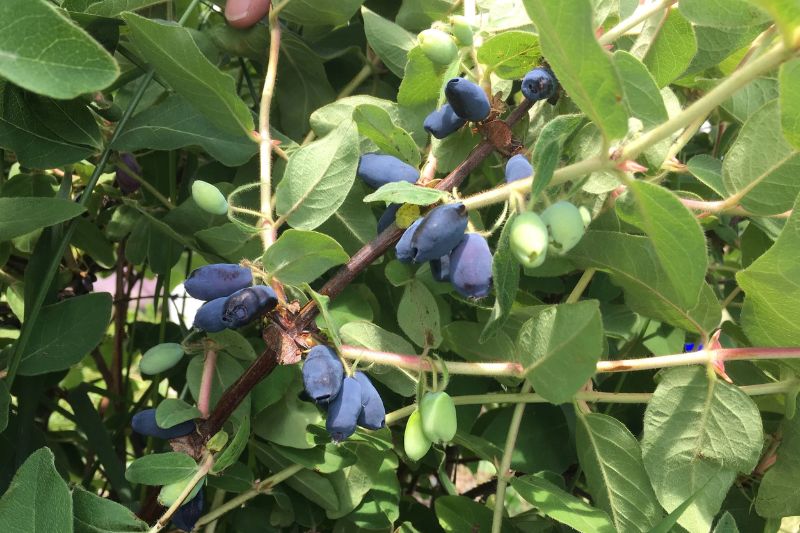
Discover the Honeyberry
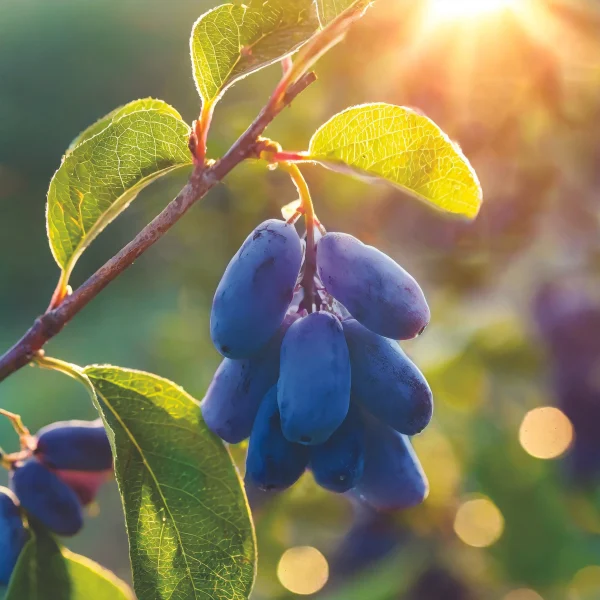
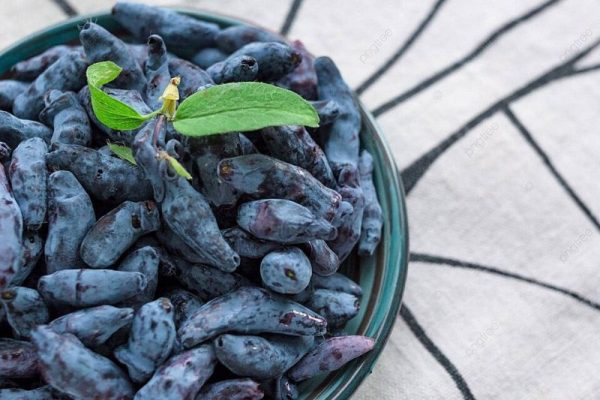
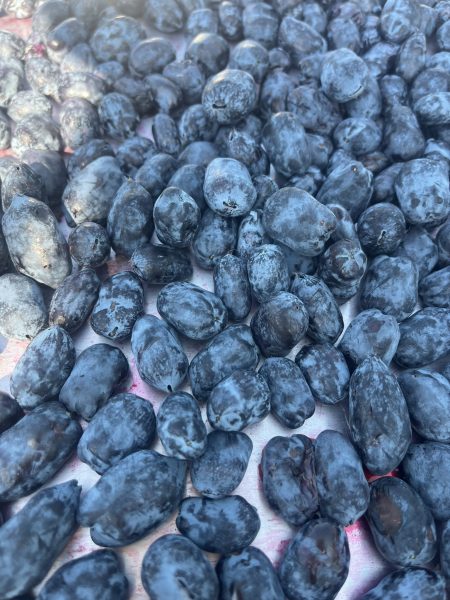
Meet the honeyberry—a berry shaped by the cold northern climate and beloved for its bold flavor and rich pigments. It’s more than just another fruit; honeyberries are versatile, resilient, and full of character. Dive in to discover their origins, unique traits, and the many ways people are beginning to use them every day.

Kitchen Uses
Honeyberries function as a highly versatile food ingredient due to their unique biochemical profile. They incorporate easily into juices, smoothies, desserts, snacks, and preserves, while their exceptionally high anthocyanin content also makes them an effective source of natural food pigmentation.

Guiding You Into the World of Honeyberries

The Northern Superfruit
We believe knowledge should be fresh, approachable, and inspiring. We’re not here to overwhelm you with recipes or jargon — we’re here to guide you into the world of honeyberries, the northern superfruit with an incredible story and powerful benefits.

Berry Origins
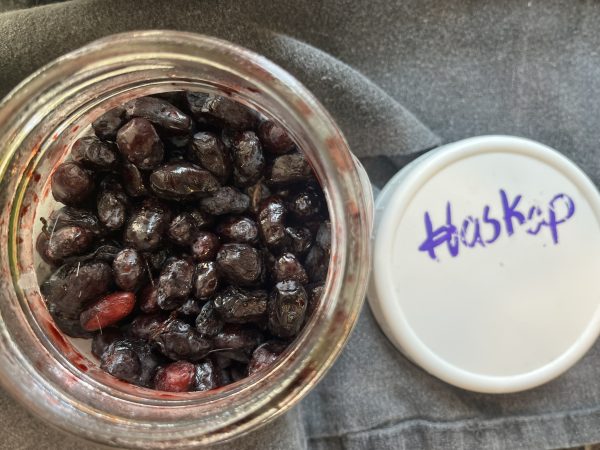
The berries trace their roots to the cold climates of Russia, Japan, and northern regions where they’ve been valued for centuries. Known as Haskap’s, in the northern regions and the “fruit of longevity,” this hardy berry carries a history as rich as its flavor. In United States the berry is more commonly being known as the honeyberry. Regardless of region or name, the berry remains the same.
Honeyberry Uses and Benefits

Honeyberry Uses
Honeyberries are versatile, making it easy to enjoy them every day. Whether blended into smoothies, baked into desserts, or sprinkled over breakfast, they bring a unique flavor and nutrition boost to simple meals and treats.

Berry Benefits
Honeyberries are packed with antioxidants, vitamins, and fiber, giving them the power to support energy, wellness, and healthy living. Their deep purple color is nature’s signal of the superfruit strength inside.
Natures Toughest Berry
Honeyberries can withstand frigid temperatures as low as –55°F, making them one of the hardiest edible fruits in the world. Why does this matter?

They Leaf Out and Bloom Extremely Early
Honeyberries wake up earlier than most fruit crops—often in late March or early April—putting them at high risk for spring frost damage. Thanks to their exceptional hardiness, they can withstand cold nights down to 20°F during bloom, keep flowers and fruit intact after frosts that would destroy blueberries, cherries, or apples, and still produce a full crop despite unpredictable spring weather. In the lower 48, this frost resilience translates to reliably consistent yields.

Low Maintenance and Replacement Costs
Honeyberries’ extreme hardiness saves growers time and money by eliminating the need for winter protection, plant coverings, or costly replanting after unexpected cold events. Because they don’t die back, growers also avoid losing years waiting for new bushes to mature, protecting both long-term yield and investment. This toughness also sets honeyberries apart from competing fruit crops: blueberries are easily frost-damaged, raspberries die back in harsh winters, and strawberries require protection—while honeyberries are almost indestructible.
The Honeyberry Story
We’re here to share the story of honeyberries, the northern superfruit. Our mission is to make their history, health benefits, and everyday uses accessible and exciting, while learning and growing alongside you.